
Voltage stabilizers and active harmonic filters safeguarding CT, MRI, and other medical devices from voltage sags and harmonic interference
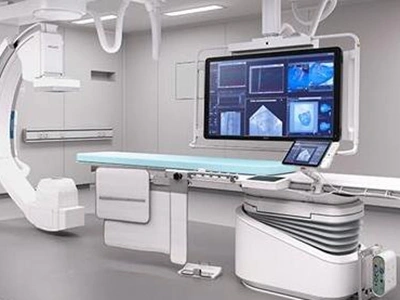
Large medical equipment such as CT scanners can draw startup currents up to three times the rated value, causing voltage sags and harmonic interference (THD > 5%) that affect life-support monitoring systems. In 24-hour facilities such as operating rooms and ICUs, voltage stabilizers must achieve seamless switching to UPS power within 4 ms. Medical environments also require leakage current below 0.1 mA (compared with 30 mA for standard equipment) and low noise levels under 45 dB.
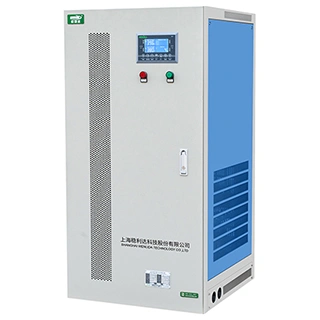
Each phase is independently regulated with ±0.5% precision, ensuring voltage balance. A 16-bit ADC chip provides 0.1% sampling accuracy to eliminate waveform distortion errors. The system includes an STS static transfer switch for integration with UPS or generators.
At the input stage, an LC filter suppresses high-frequency grid interference; at the output stage, an Active Harmonic Filter (AHF) ensures THD < 2%. The stabilizer can withstand 300% rated current for 500 ms, enabling CT startup without interruption, and features comprehensive protection for overvoltage, undervoltage, overcurrent, and leakage faults.
Hospitals rely on precise and reliable power quality to support critical diagnostic and treatment systems. In one modern hospital’s outpatient building, multiple harmonic sources, including lighting systems (fluorescent lamps), HVAC units (variable-frequency drives), information systems (computers), emergency power (UPS), and medical devices (MRI), generated significant 3rd, 5th, 7th, 11th, and 13th harmonics, especially a high 3rd harmonic component. This led to excessive neutral current, increased transformer distortion on the low-voltage side, and overheating of transformers and cables, compromising system reliability.
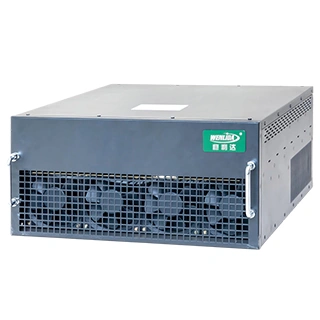
The active power filter raises the power factor to 0.98, reducing harmonic current by over 90% and lowering neutral current by 80%. The solution enhances power quality and operational reliability, protecting sensitive medical equipment and stabilizing the hospital’s electrical system.
View More